
Crafting Lace with Precision and Care
Pattern Design & Digital Artistry
Advanced Multi-Head Embroidery Systems
Scale Meets Craftsmanship on the Production Floor
Quality Control & Sustainability
Collaborative Design & Development Team
Contact form

The production of intricate lace patterns requires a meticulous approach, combining traditional craftsmanship with modern techniques. Lace Craze collaborates with skilled artisans and factories that specialize in lace production, ensuring that each pattern is created with precision and care.
In the realm of lace production, the choice of materials is paramount. High-quality threads — cotton, silk, or synthetic fibers — are carefully selected to achieve the desired texture and durability. Cotton threads bring breathability and ease of handling, while silk threads deliver a luxurious finish. This selection shapes everything from drape to sheen to overall aesthetic appeal.
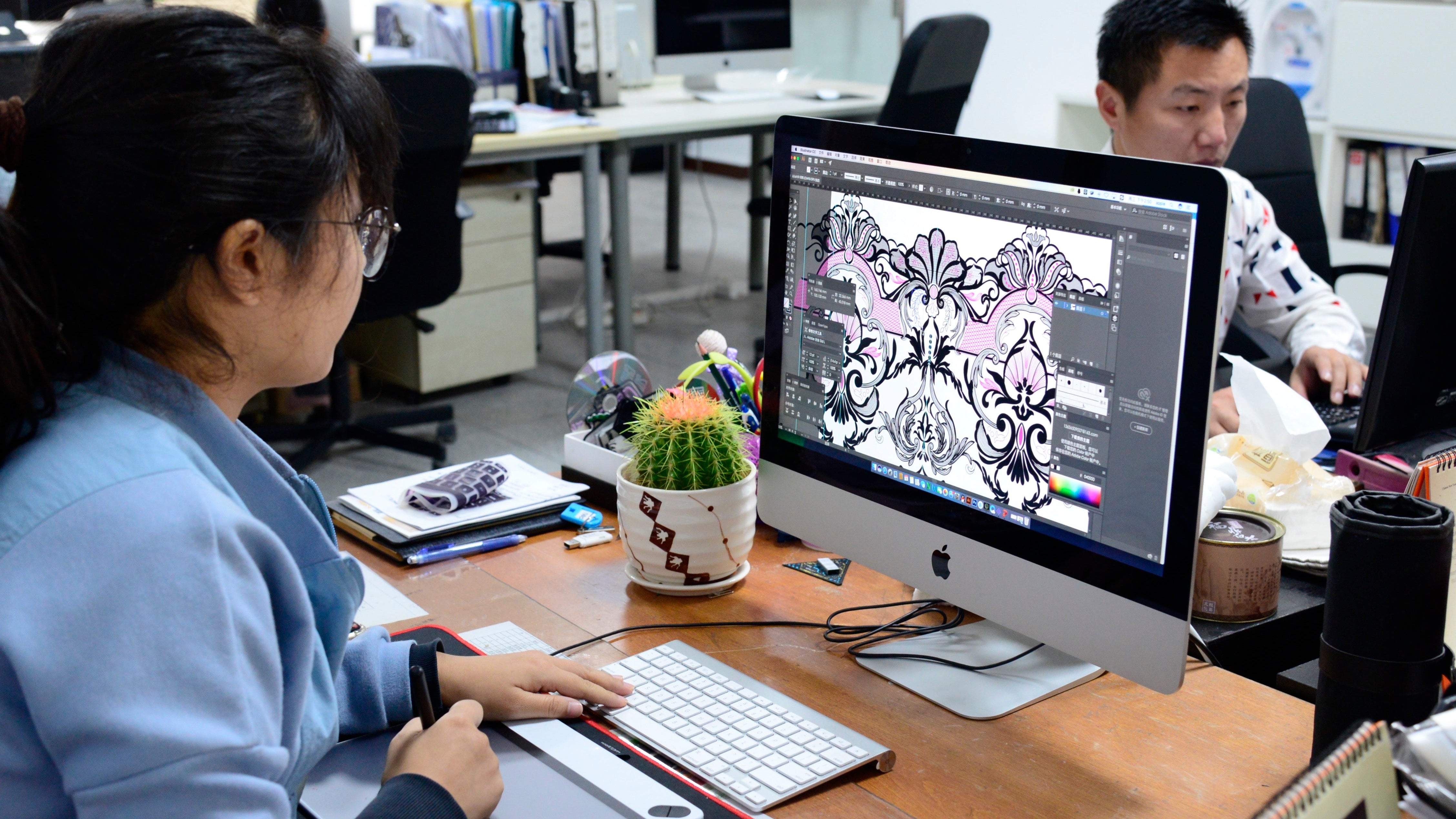
Every lace creation begins in our design studio, where our designers use advanced digital tools to craft intricate patterns from scratch. Each motif is meticulously drawn, refined, and digitized before it ever reaches the production floor. This fusion of artistic vision and technology ensures that every design carries both creative soul and manufacturing precision.
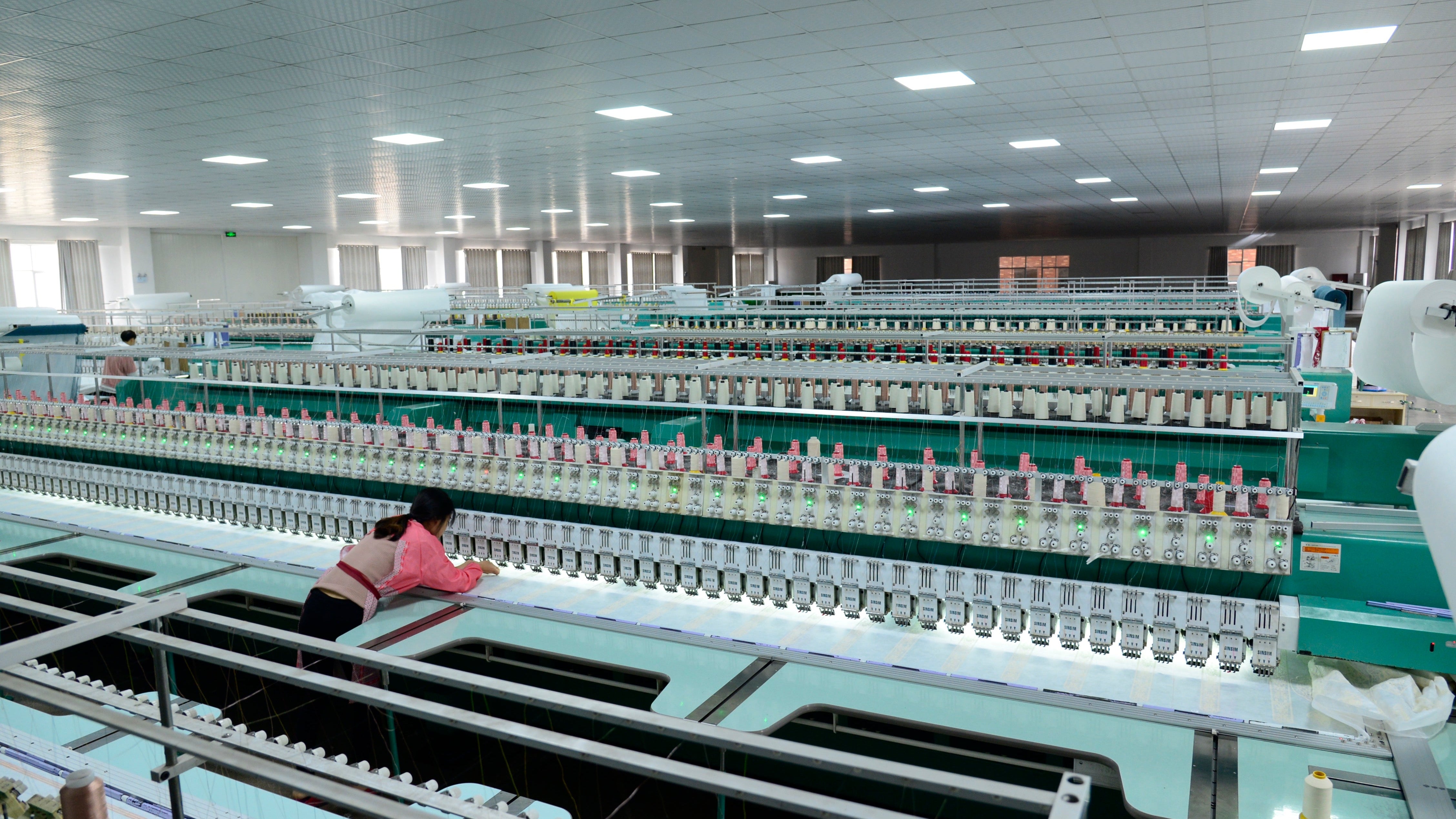
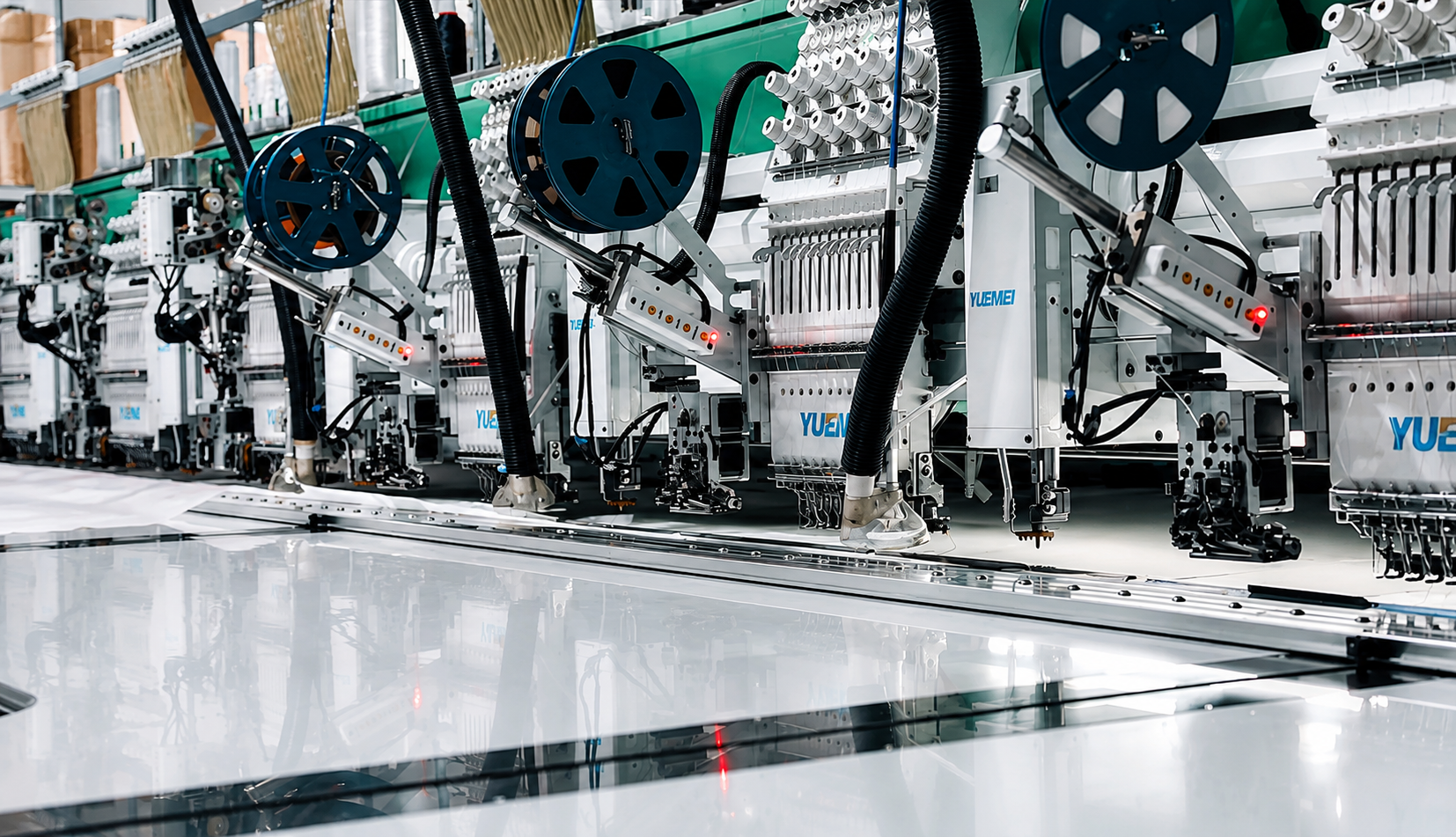
Our factories are equipped with state-of-the-art multi-head embroidery machines from leading manufacturers like YUEMEI and SINSIM. These high-capacity systems allow us to produce complex lace patterns at scale while maintaining exceptional consistency across every meter produced. The machinery is regularly serviced and upgraded to stay at the forefront of textile innovation.

Our production facility spans thousands of square meters, housing dozens of multi-head embroidery machines operating in parallel. Yet scale never comes at the expense of oversight — skilled operators monitor each line in real time, ensuring thread tension, alignment, and pattern integrity remain flawless throughout long production runs. This human-in-the-loop approach is what separates mass-produced lace from Lace Craze quality.
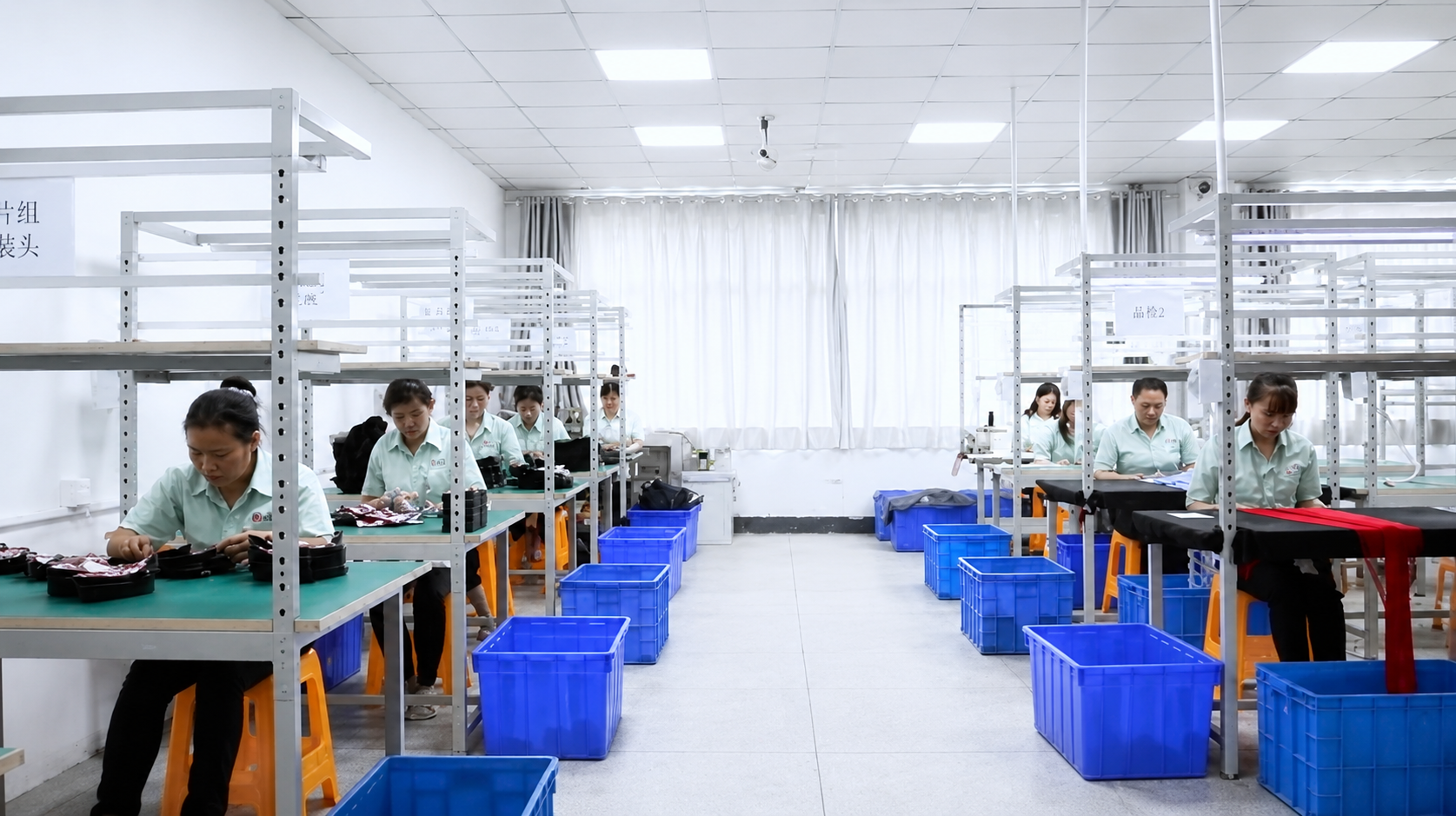
Quality control is integral to every stage of our process. Each batch of lace undergoes rigorous testing — evaluating tensile strength, pattern precision, and overall finish. We employ statistical quality control methods with a commitment to minimizing defects to less than 2% in final output.
Lace Craze is equally committed to sustainable practices. We source materials from suppliers who adhere to environmentally friendly standards, and we continuously work to minimize waste throughout the manufacturing process. Studies indicate that sustainable production methods can reduce environmental impact by up to 30% — a priority we take seriously as we look toward the future of lace making.
Behind every beautiful lace pattern is a dedicated team of designers, engineers, and quality specialists working together in our modern office environment. From initial concept sketches to final technical specifications, collaboration is at the heart of our process. Our teams have access to an extensive material library, enabling informed decisions about thread selection, color matching, and fabric compatibility.

Your cart is empty
Explore our collectionYou haven't viewed any products
Explore our collectionYour cart is empty
Explore our collection
Get premium embroidery designs — completely free. Sign up to receive your download link instantly.
© 2026. All rights reserved.
Powered by Shopify